- This event has passed.
Seminar on Wednesday, June 26, 2013
June 26, 2013 @ 3:00 pm - 5:00 pm

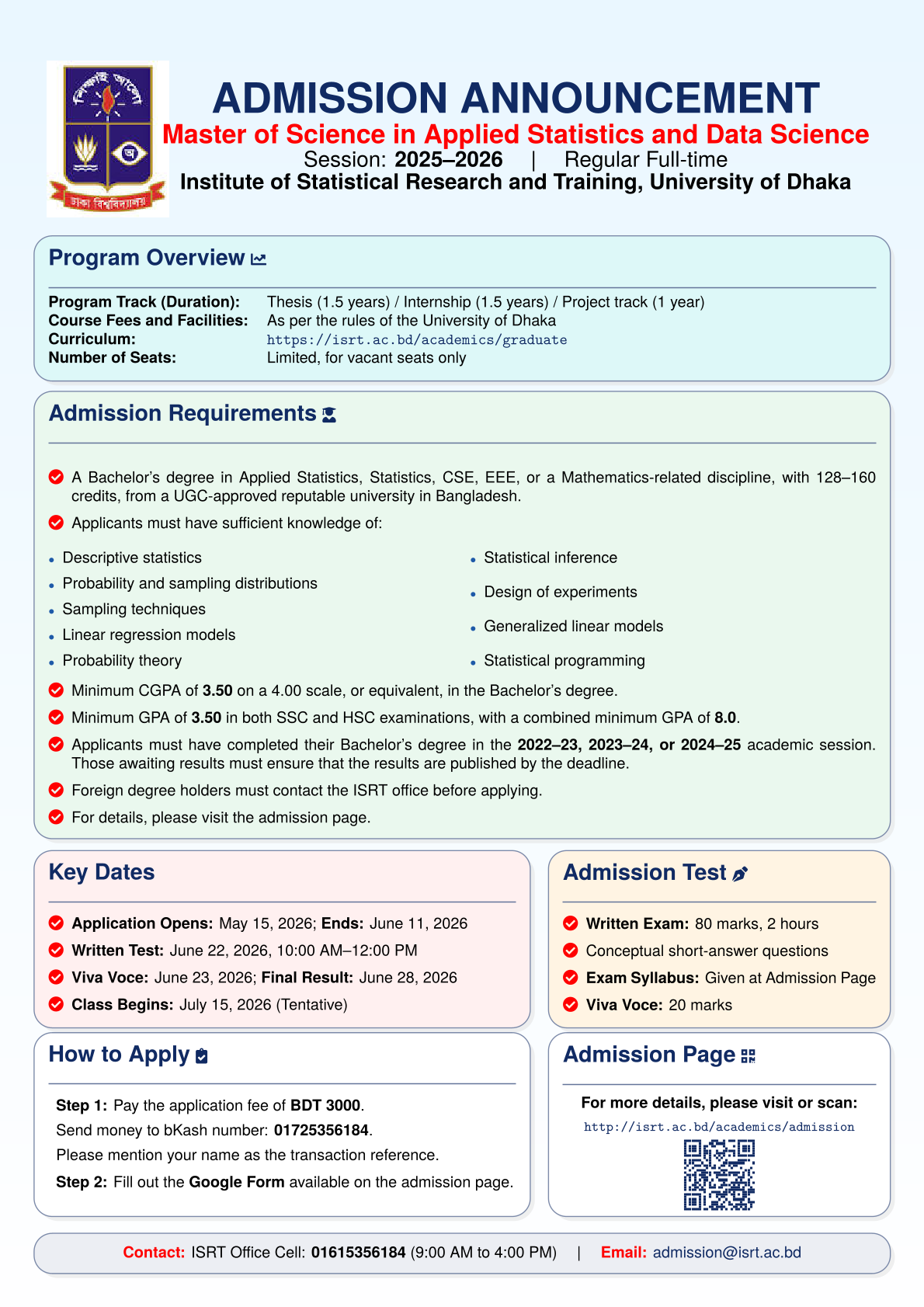
The Institute of Statistical Research and Training (ISRT), University of Dhaka, has extended the application deadline for admission to its MSc in Applied Statistics and Data Science (Regular Full-time) program ... [ Read More ]
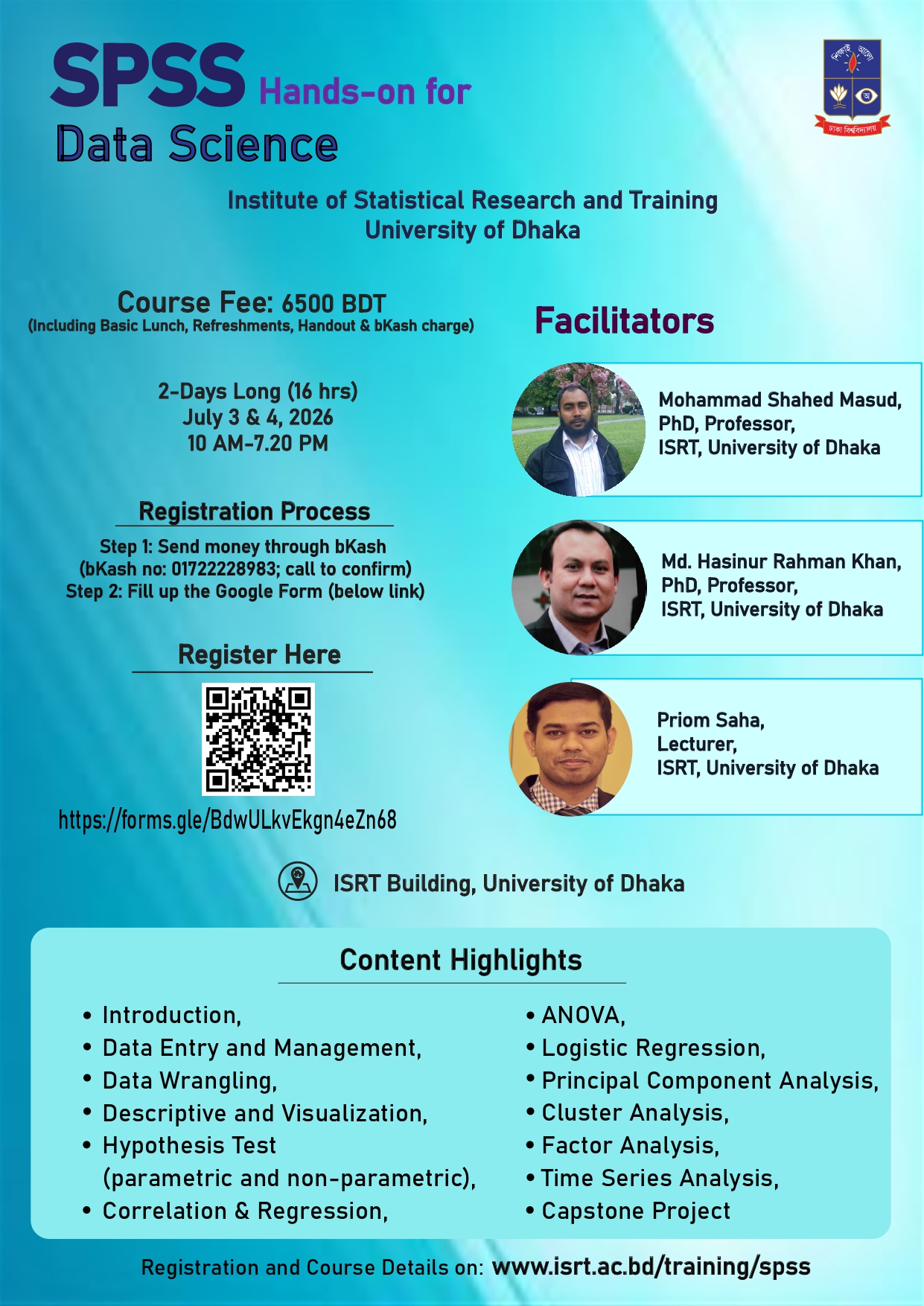
The Institute of Statistical Research and Training (ISRT), University of Dhaka, is pleased to announce a two-day intensive training course titled “SPSS Hands-on for Data Science”, designed to provide participants ... [ Read More ]
The Institute of Statistical Research and Training (ISRT), University of Dhaka, is pleased to announce admissions for the Master of Science in Applied Statistics and Data Science program for the ... [ Read More ]
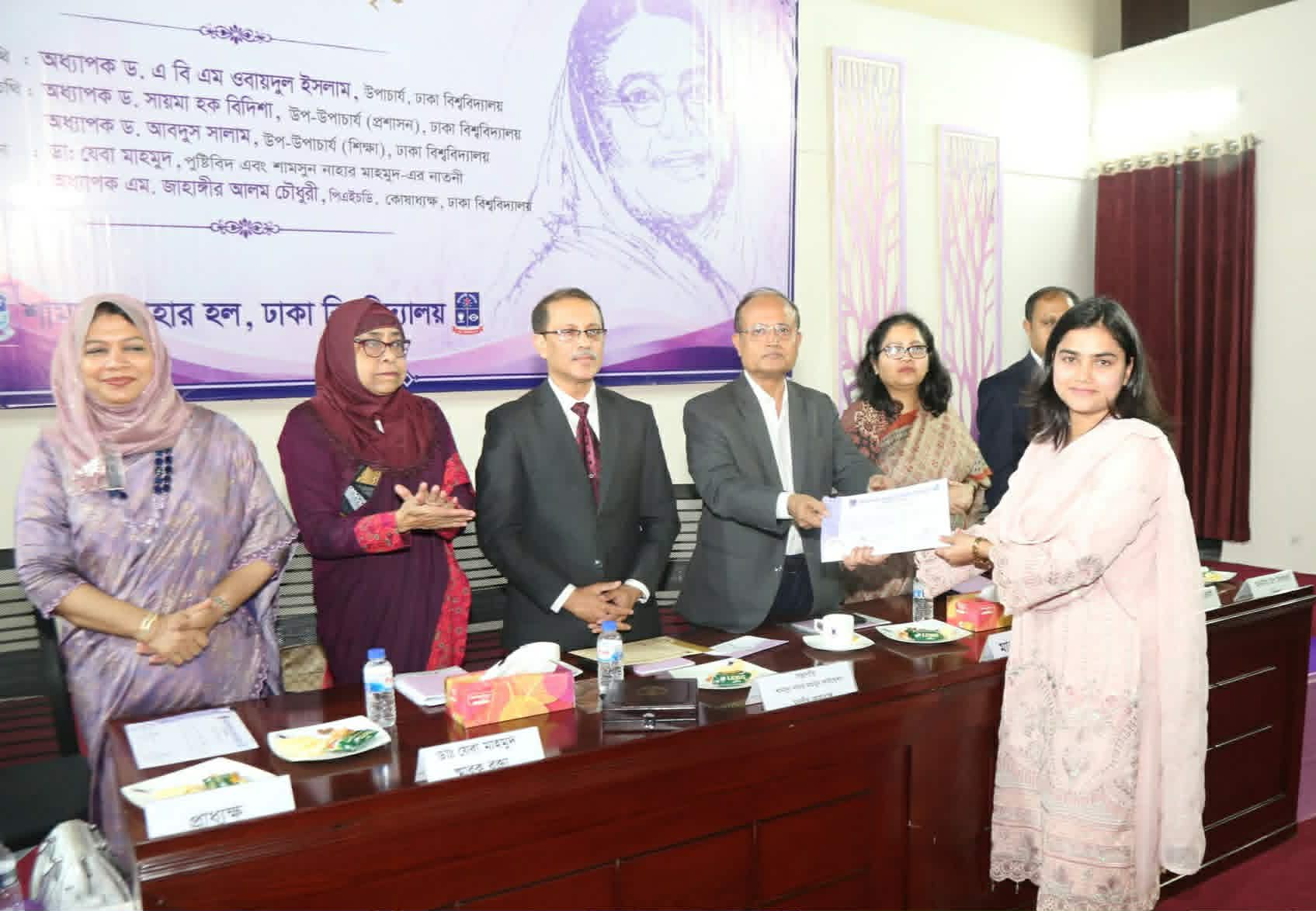
The Institute of Statistical Research and Training (ISRT), University of Dhaka, proudly congratulates ISRT Batch-25 graduate Kamrun Naher Koli on receiving the Shamsun Nahar Mahmud Foundation Merit Scholarship awarded by ... [ Read More ]
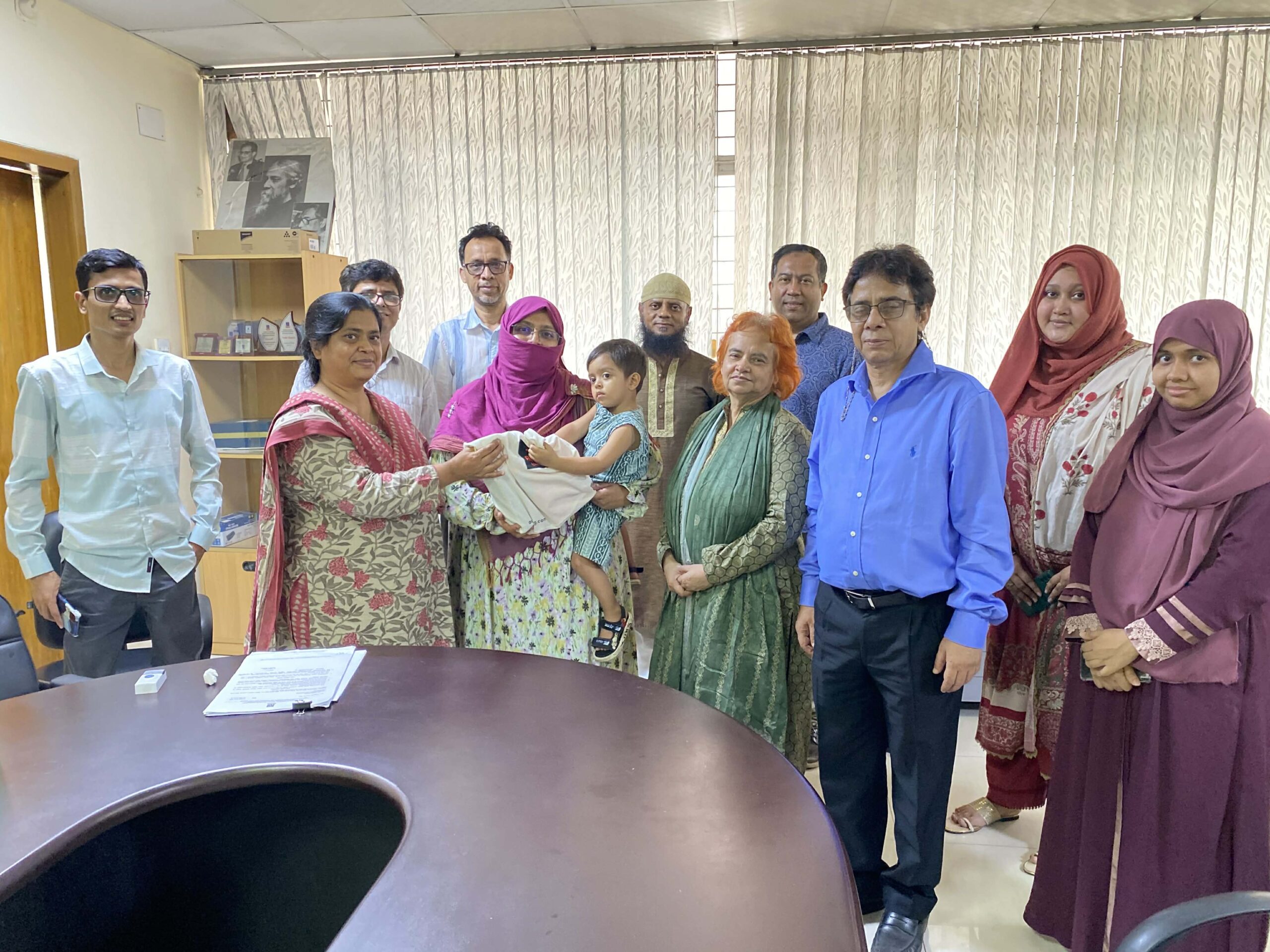
The Institute of Statistical Research and Training (ISRT) recently hosted a farewell gathering in honor of Tasnim Ara as she embarks on a new academic journey to pursue higher studies ... [ Read More ]

Director,
Institute of Applied Statistics
and Data Science (IASDS)
University of Dhaka
Dhaka 1000, Bangladesh